A woman blowing a horn at a cultural village, South Africa, 2007
A woman blowing a horn at a cultural village, South Africa, 2007Southern Ndebele · Pierre André Leclercq, CC BY-SA 4.0
Heritage Day at a school in Mpumalanga, 2025
Heritage Day at a school in Mpumalanga, 2025Southern Ndebele · Nqobile69, CC0
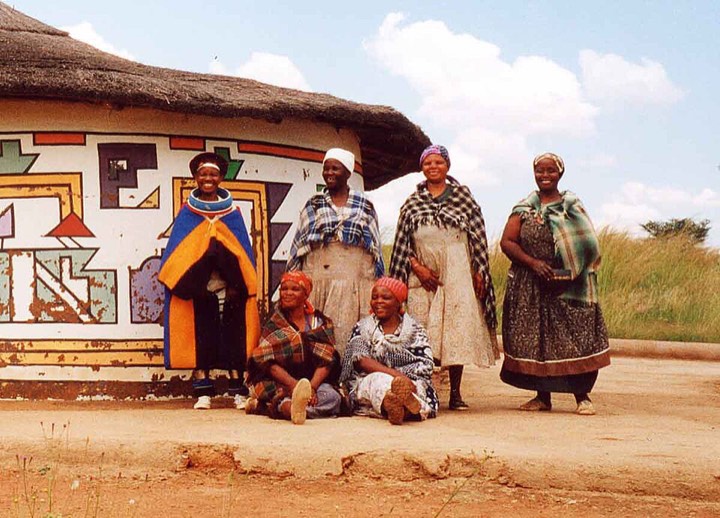
Women at a cultural village, South Africa, 2007
Women at a cultural village, South Africa, 2007Southern Ndebele · Pierre André Leclercq, CC BY-SA 4.0
A woman blowing a horn at a cultural village, South Africa, 2007
A woman blowing a horn at a cultural village, South Africa, 2007Southern Ndebele · Pierre André Leclercq, CC BY-SA 4.0
A Ndebele warrior, painted in 1836
A Ndebele warrior, painted in 1836Northern Ndebele · William Cornwallis Harris, Public domain
Mzilikazi, founder of the Matabele kingdom, painted in 1836
Mzilikazi, founder of the Matabele kingdom, painted in 1836Northern Ndebele · William Cornwallis Harris, Public domain
Matabele warrior in dancing dress, painted in 1870
Matabele warrior in dancing dress, painted in 1870Northern Ndebele · Thomas Baines, Public domain
Lomadlozi, wife of King Lobengula, photographed in the 1890s
Lomadlozi, wife of King Lobengula, photographed in the 1890sNorthern Ndebele · W. Rausch, Public domain
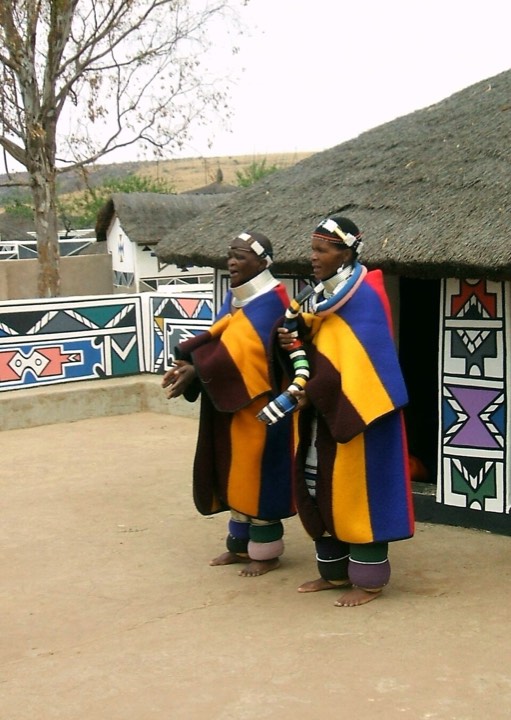
Two women before a painted wall, South Africa, 2006
Two women before a painted wall, South Africa, 2006Southern Ndebele · Picman, Public domain
Ijogolo, a beaded apron of the 20th century, Royal Ontario Museum
Ijogolo, a beaded apron of the 20th century, Royal Ontario MuseumSouthern Ndebele · Daderot, CC0
A Ndebele woman, South Africa, 2010
A Ndebele woman, South Africa, 2010Southern Ndebele · Steve Evans, CC BY 2.0
Women at the Ndebele Cultural Village, Loopspruit, 1999
Women at the Ndebele Cultural Village, Loopspruit, 1999Southern Ndebele · Humansdorpie (English Wikipedia), CC BY-SA 3.0
Musicians at a cultural village, South Africa, 2007
Musicians at a cultural village, South Africa, 2007Southern Ndebele · Pierre André Leclercq, CC BY-SA 4.0

Bhalasiko

A writing system drawn from everyday Northern Ndebele life. See where each letter comes from, then write with it.

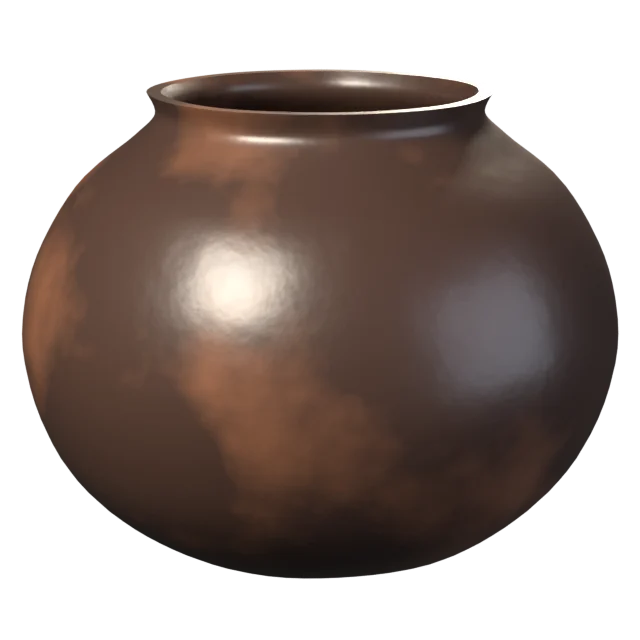
A round clay beer pot, burnished dark
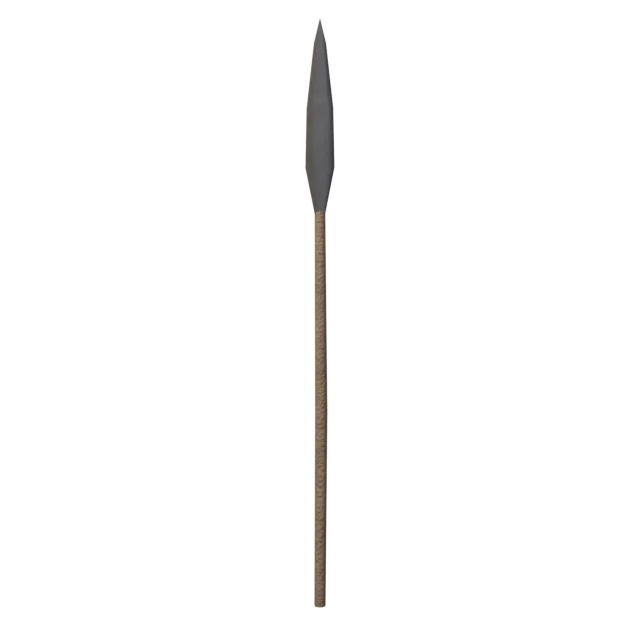
A short spear with an iron blade
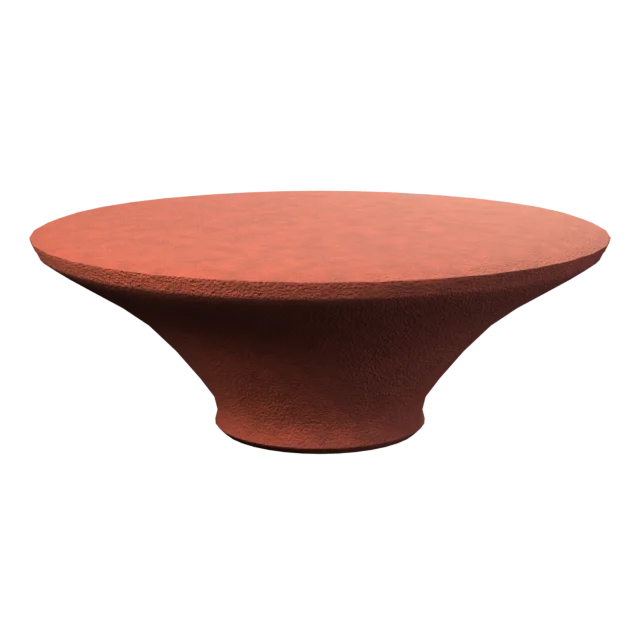
A married woman's hat, wide and flat on top
A headband: a ring of fur
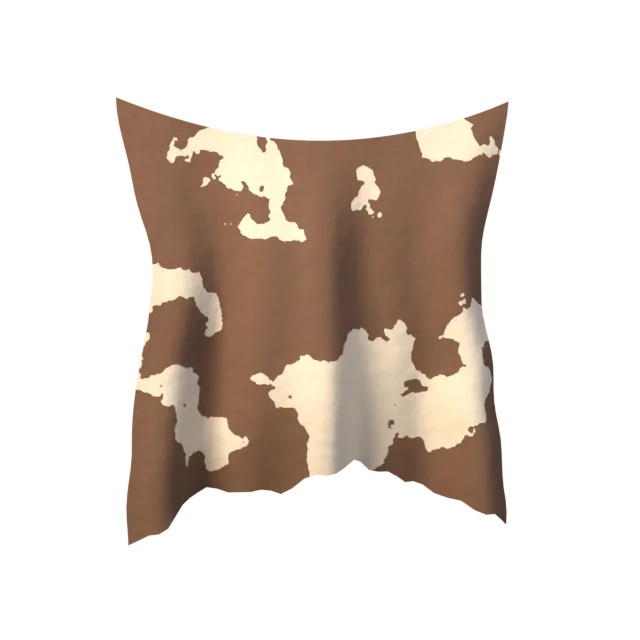
A cape of cowhide, brown patched with white
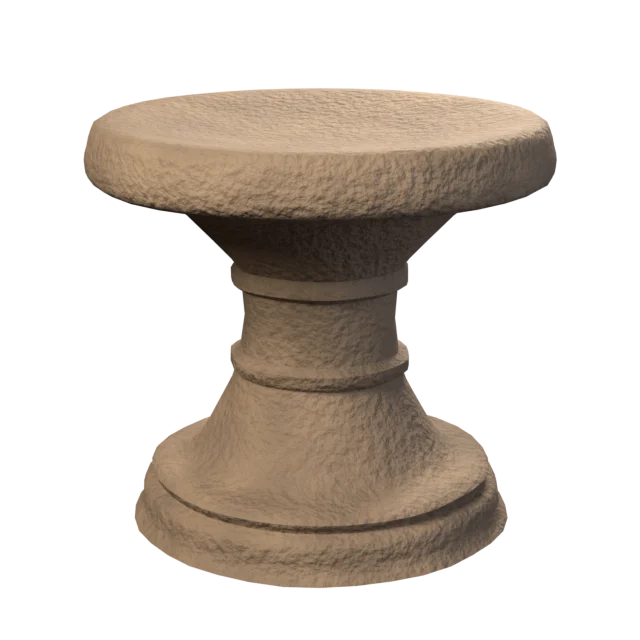
A stool carved from one piece of wood
A scatter of divination bones
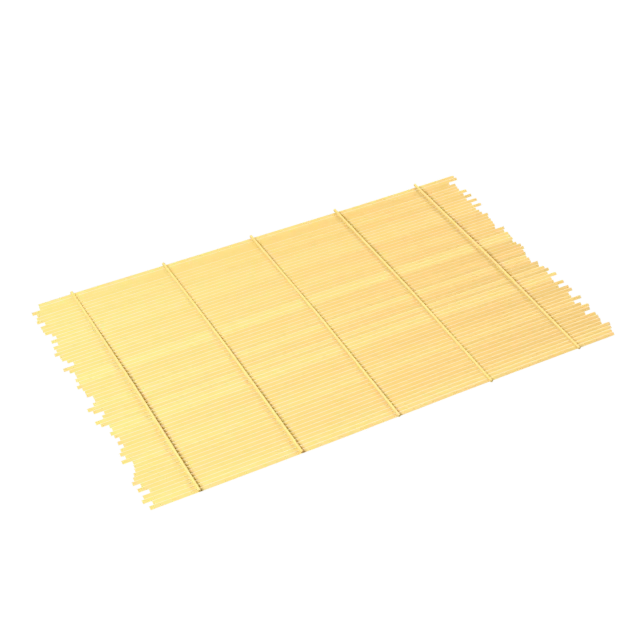
A mat of dried grass stalks bound side by side
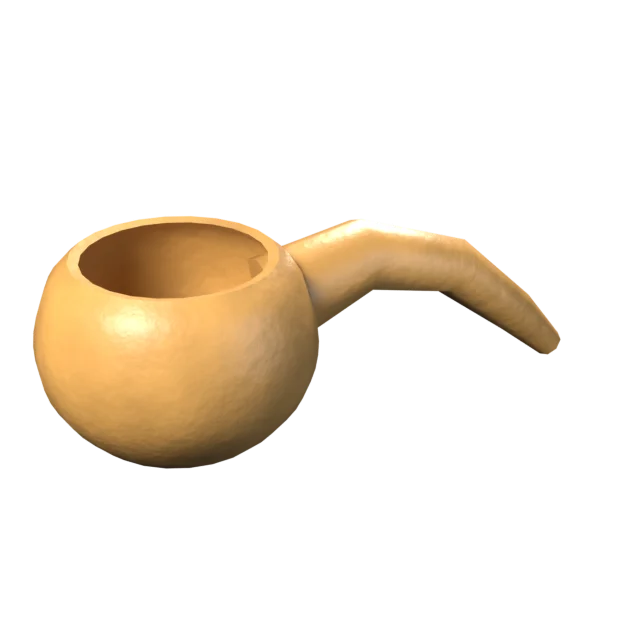
A calabash cup with its neck for a handle
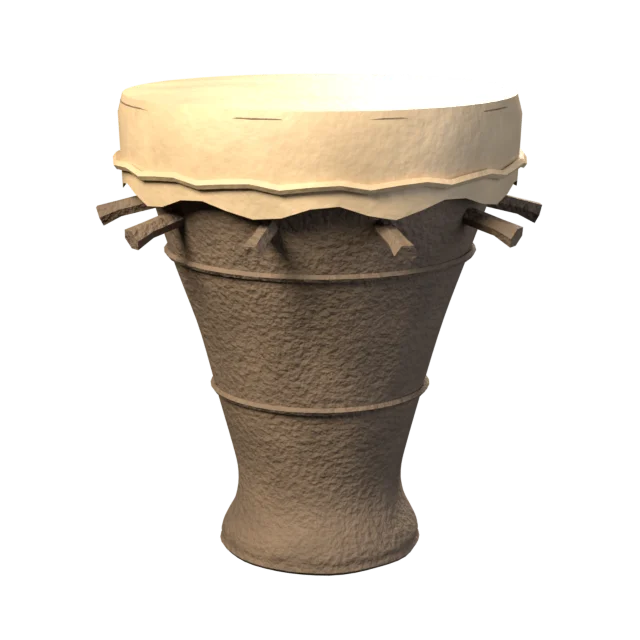
A drum, its skin pegged down over the top
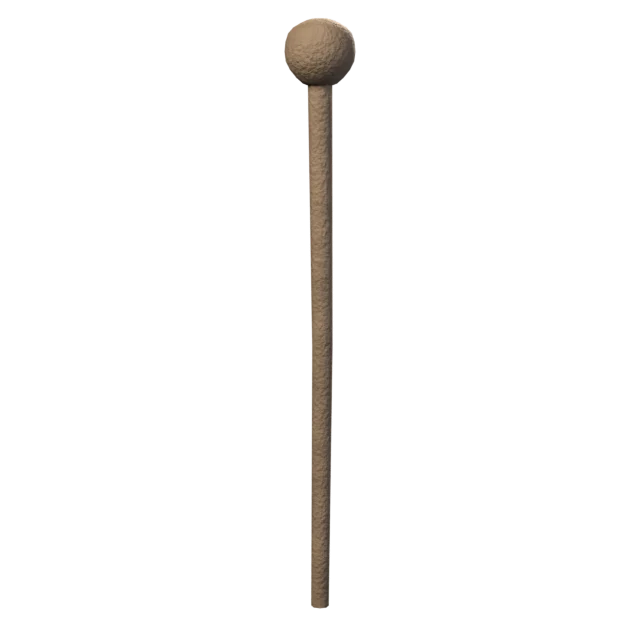
A knobkerrie: a stick with a knob at its head
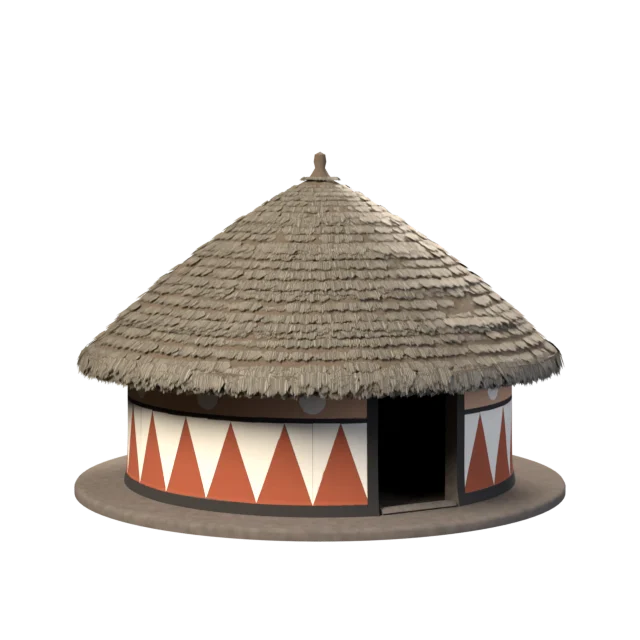
A round mud hut with a painted wall and a thatched roof
V

isihaqa

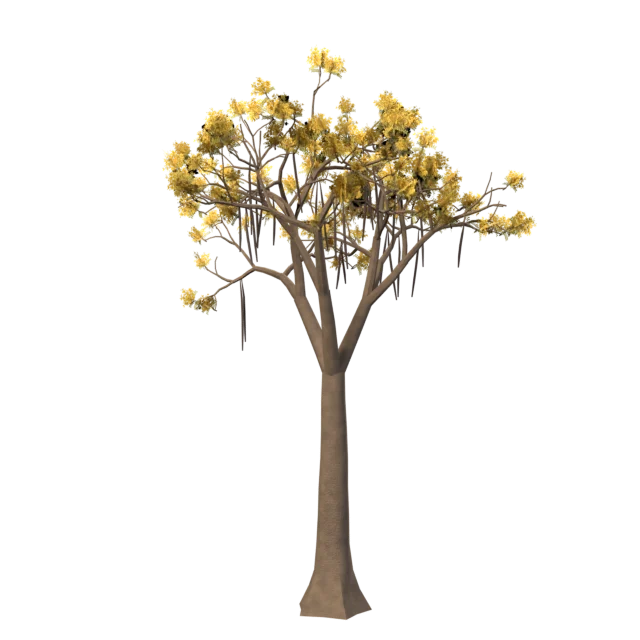
medicine from the cassia tree

A natural medicine made from the roots and bark of the long-tail cassia, mixed with water. The tree is native to Africa.

See it in the homestead
  1. Letter for V: isihaqa, medicine from the cassia tree. A natural medicine made from the roots and bark of the long-tail cassia, mixed with water. The tree is native to Africa. Found at: Isihaqa, the medicine tree.
  2. Letter for X: ukuxhawula, to shake hands. Two open hands hooked into each other. The x is a click made where two parts of the mouth meet and part, so the letter is two shapes meeting; it also avoids borrowing the Latin cross. Found at: The gate, a greeting.
  3. Letter for S: isibaya, kraal. The cattle enclosure. Cattle matter as wealth and as symbol, and a man's standing is read from the size of his kraal. Found at: Isibaya, the kraal.
  4. Letter for R: the stool. More than a place to sit. Stools are symbols of power, authority and standing in the community. Found at: Stool and drum.
  5. Letter for G: isigubhu, drum. The skin is the bar across the top, reaching past the body on both sides where it is pegged down; the body narrows to its foot. Sound sits naturally in a script meant to be read aloud. Found at: Stool and drum.
  6. Letter for H: the mud hut. A round hut of mud with a thatched roof, found across rural Zimbabwe. It stands for the past, the countryside and the keeping of tradition. Found at: The painted wall.
  7. Letter for N: induku, knobkerrie. A wooden club with a large knob at one end, used mainly in southern and eastern Africa. Found at: The doorway.
  8. Letter for W: iklwa, short spear. The assegai, a short stabbing spear. Its name is believed to imitate the sound of the blade being drawn back. Found at: The doorway.
  9. Letter for D: ukuguqa ngamadolo, kneeling. Kneeling shows respect: children kneel to their elders, and Northern Ndebele women to their husbands. Found at: The doorway.
  10. Letter for C: icansi, grass mat. A mat woven from tall dried grass. Women use it for all sorts of purposes when sitting down. Found at: The mat and the bones.
  11. Letter for T: amathambo, divination bones. Bones used by traditional healers, who serve their communities in social and political matters as well as in healing. Found at: The mat and the bones.
  12. Letter for K: ukhamba, clay beer pot. A clay pot for brewing, serving and drinking beer. Clay pots are essential in a rural household, and size and design decide what each one is for. Found at: Beer pot and calabash.
  13. Letter for P: ucengo, calabash. A cup for drinking or pouring, made by hand from the hard shell of the calabash, the fruit of the gourd plant. Found at: Beer pot and calabash.
  14. Letter for B: kusemsamo, the shelf in the wall. A fixed shelf built as part of the wall of a mud house. It holds plates, cups and the smaller pots. Found at: The shelf at the back.
  15. Letter for L: isicholo, married woman's hat. A hat that grew out of a cone-shaped hairstyle of the 1800s, worn as a sign of respect to a husband and his family. Found at: Dress.
  16. Letter for Q: umqhele, headband. A circular headband of fur worn by Zulu and Northern Ndebele men. It is made from animal skin, usually a cow tail. Found at: Dress.
  17. Letter for M: amambatha, fur cape. Capes of leopard fur worn by Zulu and Northern Ndebele men. Today they are cowhide or synthetic fur, to spare the leopards that remain. Found at: Dress.
  18. Letter for J: Njelele, the rain shrine. A cave of great spiritual importance in the Matobo Hills. Pilgrims went there every year for rituals before the rains began. Found at: The lookout at dusk.
  19. Letter for F: umfula, river. Water drawn as one unbroken line that bends, runs back on itself and bends again, the way a river crosses flat country. Found at: The lookout at dusk.
  20. Letter for Y: inyanga, moon; healer. The crescent moon, which gives its name to the month and to the healer who works by it. It is drawn as an outline, two arcs meeting at the horns, so it keeps the same line weight as every other letter. Found at: The lookout at dusk.
  21. Letter for Z: izulu, sky, weather, lightning. The sky at the moment it is most itself: a bolt in three strokes. It answers the rain shrine already in the script (j). Found at: The lookout at dusk.

The five vowels

After Isiko Script
Ascenders
Script height
Baseline
Descenders
  • a

    Sharp and short, like the a in “father”.

  • e

    A falling echo, like the e in “kettle”.

  • i

    A rising tone, like the ee in “see”.

  • o

    Hollow, like the o in “more”.

  • u

    A long stretch, like the oo in “moon”.

References

Painted homes in Matobo

Paint that comes out of the ground

Northern Ndebele

Matobo, Zimbabwe

Where Isiko comes from

  • Anthill soilgrey and white
  • Ashwhite
  • Charcoalblack
  • Red clayred and brown
  • Clay with asha lighter shade

Northern Ndebele, Matobo, Zimbabwe

Paint that comes out of the ground

In Matobo district, south of Bulawayo, decorating the home is women's work. The patterns, and the way the paints are made, pass from mothers to daughters.

The paint goes on by hand, daubed with old socks and netting cloth. Soil and water are fetched by wheelbarrow, sometimes from far away.

Painting begins once the cropping season is over, in April, and is finished before the rains. The October rains wash it away, so every wall is made again the next year.

The colours are mostly brown, black, red and white. Some painters lay red clay as a base. Ash gives white, or is mixed into the clay for a lighter shade, and charcoal gives black.

The designs are geometric. Round forms run through them, and so does the zigzag. Pathisa Nyathi, who founded the Amagugu heritage centre, tied the round forms to the Earth, the Sun and the Moon. He told The Chronicle that the zigzag is a chevron, a triangle standing on its point, and that it stands for the womb. Most of what the motifs once meant, he said, has been lost.

Since 2014 the My Beautiful Home competition, Gcomba Indlu Ngobuciko, has recorded and rewarded this work across the district.

The swatches are approximate.

From Contest shines a light on the Ndebele matrilineal culture of home painting, The women behind Zimbabwe's striking hut painting art, Creative painting of homes for competition and Beautiful homes, global spotlight for Matobo women.

White ground, black line, bright colour

Southern Ndebele

South Africa

A different people, shown for comparison
Southern Ndebele, South Africa

White ground, black line, bright colour

Among the Ndzundza Ndebele of South Africa the married women of a household design the paintings for its gates and walls. The patterns pass from mother to daughter, and to wives who marry in.

The first designs were tonal, drawn with the fingers in ochres, browns, black and limestone whitewash. Acrylic paint reached South Africa in the 1940s. Sky blue, deep blue, yellow-gold, green and sometimes pink now sit beside the old soot lines, whitewash and reds.

In 1883 the Ndzundza lost their land and were sent to work on Boer farms. The painted walls came to say who lived there, an expression of resistance and of continuity.

Esther Mahlangu, born in 1935 outside Middelburg and taught by her mother and grandmother, carried the style onto canvas, metal and cloth. Her work reached a world audience in Paris in 1989.

Photograph: Women at the Ndebele Cultural Village, Loopspruit, 1999.

Photograph: A woman blowing a horn at a cultural village, South Africa, 2007.

From The commodification of art: Ndebele women in the stream of change and Esther Mahlangu.